

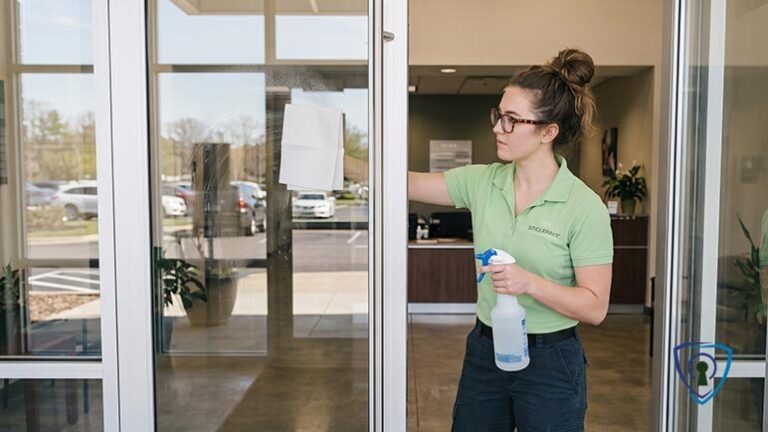
You can deliver a brilliant sales pitch, conduct a flawless walkthrough, and submit a proposal worthy of framing. But none of that matters when your cleaner repeatedly forgets the break room. In commercial cleaning, winning a contract is only the first test. Keeping it depends on what your employees do after the sales team leaves. Every missed trash can, late arrival, and half-cleaned restroom shapes whether your client renews or quietly starts requesting bids from competitors. That’s why employee performance impacts client renewals in the cleaning industry so heavily. Your clients don’t experience your business plan. They experience your people.
Your Cleaning Team Is Your Brand
Clients rarely interact with the company owner every night. They interact with the results your cleaners leave behind. When the work is consistent, the client feels confident. The facility looks right, complaints stay low, and renewing the agreement feels easier than searching for another provider.
When performance slips, trust starts slipping with it. One missed task may be forgiven. The same issue every Tuesday begins to look like nobody is paying attention. Your cleaners aren’t simply completing a checklist. They’re delivering the promise that won the account.
What Employee Performance Problems Put Renewals at Risk?
Most commercial cleaning contracts aren’t lost because of one spectacular disaster. They’re lost through small disappointments that pile up. Common warning signs include:
- Cleaners arriving late, leaving early, or missing scheduled shifts
- Tasks being completed inconsistently from one visit to the next
- Restrooms, break rooms, entrances, or other visible areas being overlooked
- Employees ignoring site instructions or using the wrong procedure
- Frequent staff changes forcing the client to repeat expectations
- Supervisors failing to inspect completed work or address repeat problems
- Poor communication when the client reports an issue
- Employees behaving unprofessionally around occupants or secured areas
By the time the client contacts you, they may have noticed the problem several times. The complaint isn’t always the beginning of the issue. Sometimes it’s your final warning.
Consistency Usually Beats Occasional Perfection
Your client doesn’t need one amazing cleaning followed by three mediocre visits. They need reliable results every time. Consistency makes your service easier to trust. The client knows the trash will be removed, restrooms will be ready, and priority areas won’t require another reminder. That predictability is a major reason clients renew.
Inconsistent performance creates more work for the customer. A facility manager shouldn’t have to inspect your work, photograph missed areas, and email you every morning. Once managing your cleaning company becomes another item on their task list, replacing you starts to look attractive.
Is the Cleaner Really the Problem?
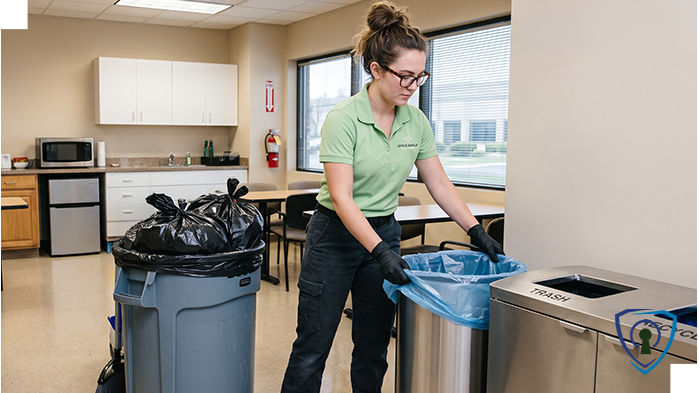
It’s easy to label an employee lazy when the work isn’t getting done. Sometimes that’s accurate. Sometimes it’s a convenient answer that hides a management problem. Was the cleaner trained for that specific facility? Do they understand the scope? Are the instructions clear? Is the workload realistic within the scheduled hours? Does anyone inspect their work? Are recurring problems documented and addressed?
You also need to ask whether your supervisors are actually supervising. A manager who only visits after a complaint isn’t managing quality. They’re responding to damage that has already reached the client. Then there’s the uncomfortable sales question: did you promise more work than the account was priced or staffed to deliver? Employee performance problems can begin long before the employee enters the building. Mispriced labor, vague scopes, rushed onboarding, and weak oversight eventually appear as missed cleaning.
Staff Turnover Makes Consistency Harder
Every time an experienced cleaner leaves, site knowledge can leave with them. The replacement may not know that the west restroom gets unusually heavy traffic or that the conference room must be reset before morning meetings. Without a proper handoff, your customer becomes the trainer by default.
Frequent turnover also forces the client to adjust to new faces, repeat access rules, and wonder whether the next cleaner will last. That uncertainty can weaken confidence even when the building remains reasonably clean. You can’t prevent every resignation. You can control whether staff changes feel organized or chaotic to the customer.
Supervision Connects Performance to Retention
Good supervisors catch problems before clients need to mention them. They know the scope, inspect the right areas, communicate expectations, and follow through when work falls short. They also recognize whether an employee needs guidance, accountability, better tools, or a different assignment.
Weak supervision produces a familiar cycle: the client complains, management apologizes, the issue improves briefly, and then the same complaint returns two weeks later. An apology without a lasting correction isn’t customer service. It’s a subscription to the same problem.
If recurring quality issues keep reaching your clients, business coaching for cleaning companies can help you identify whether the real weakness lies in staffing, training, supervision, pricing, or account management.
Client Expectations Can Be Part of the Problem Too
Not every threatened renewal means your team has failed. Some customers expect tasks outside the agreed scope. Others want premium results from a contract priced below the labor required to produce them. A few will never be satisfied, no matter how well your team performs.
You still need to examine those situations honestly. Were expectations clearly documented? Did the client request additional work? Has the scope changed as the facility has grown? Are your managers enforcing reasonable boundaries or promising extras whenever someone complains? Keeping a bad-fit account at any cost can exhaust your employees and hurt other clients. Retention matters, but profitable, sustainable retention matters more.
Don’t Wait for the Renewal Conversation
A quiet client is not automatically a happy client. Some customers complain frequently. Others say almost nothing until they send a cancellation notice. If you only discuss performance at renewal time, you may discover the problem after the customer has already chosen another provider.
Pay attention to repeat complaints, inspection results, staff attendance, response times, and changes in the client’s communication. These signals tell you whether the relationship is becoming stronger or slowly heading toward the exit. Gatekeepers Group’s private coaching for cleaning companies helps owners examine operational, customer service, and human resources problems with someone who understands the commercial cleaning industry.
Employee Performance and Client Renewal FAQs
How does employee performance affect client retention?
Employee performance determines whether the cleaning company consistently delivers the agreed scope. Reliable work builds trust and supports renewals, while missed tasks, poor attendance, and repeat complaints give clients reasons to consider competitors.
Why do commercial cleaning clients cancel contracts?
Common reasons include inconsistent quality, unresolved complaints, poor communication, staffing instability, weak supervision, and a mismatch between the promised scope and actual service.
Can one bad cleaner cause a client to leave?
Yes, especially when that cleaner works at a high-value account without effective supervision. The larger issue, however, is usually whether management notices and corrects the problem before the client loses confidence.
Does employee turnover affect cleaning quality?
It can. Frequent turnover reduces familiarity with the facility and creates more opportunities for missed instructions. Strong onboarding, handoffs, and supervision can reduce that disruption.
What role does a cleaning supervisor play in renewals?
Supervisors protect service consistency. They inspect work, reinforce expectations, address performance issues, and communicate with the client before small problems become renewal risks.
Is every client complaint an employee performance issue?
No. The cause may be unclear expectations, an outdated scope, inadequate labor hours, poor management, or an unreasonable customer. You need to diagnose the source instead of automatically blaming the cleaner.
Renewals Are Won Between Contract Dates
Your client’s renewal decision isn’t made when the agreement lands on their desk. It’s shaped during every service visit that came before it. When your employees perform consistently and management catches problems early, renewing feels like the safe choice. When quality changes every week, the client begins wondering who else is available.
If contracts keep disappearing despite strong sales, stop assuming you simply need more leads. Your retention problem may be hiding in employee performance, supervision, or account management. Explore Gatekeepers Group coaching to find the real bottleneck before another renewal slips away.